
 Italiano
 Español
 Français
 Deutsch
 Nederlands
 Polski
 Português
 Português do Brasil
 Pусский
 日本語
日本語 한국어
한국어 Bahasa Indonesia
Exclusive Private VIP Tour of Rome with Mercedes Van or Golf Cart


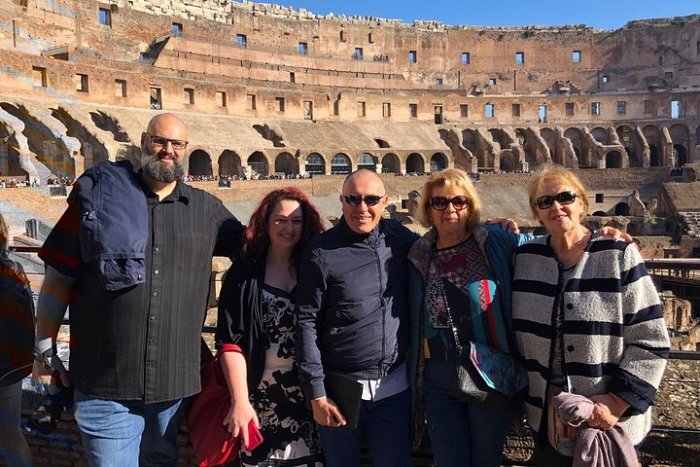
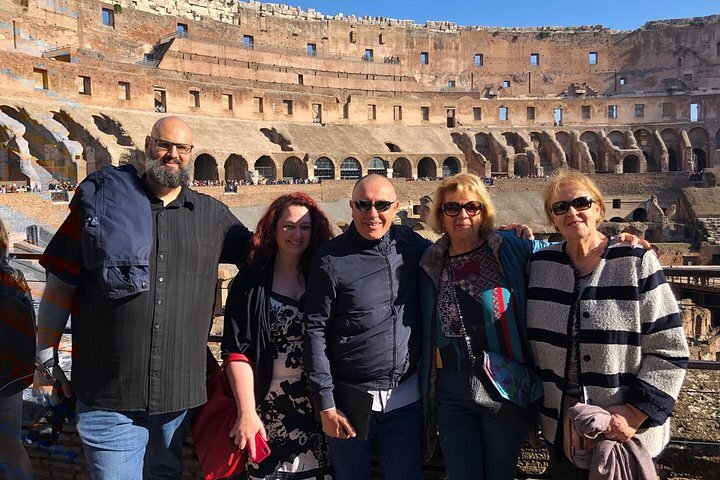
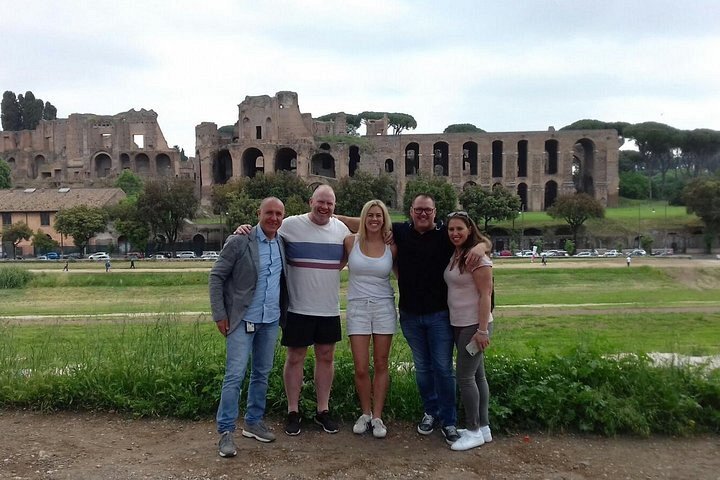
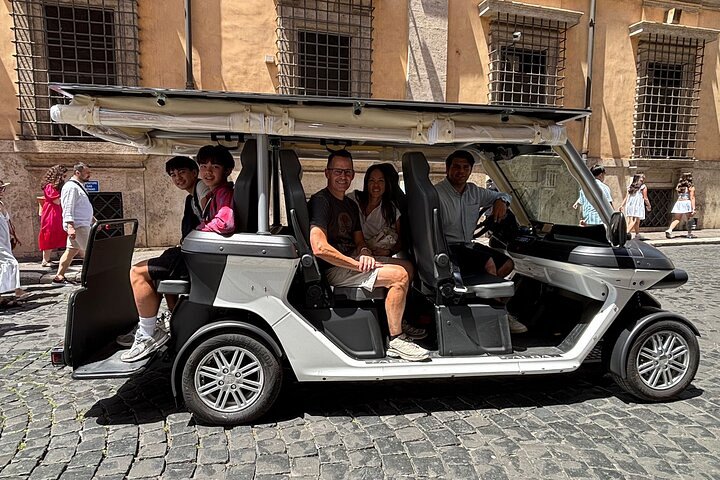

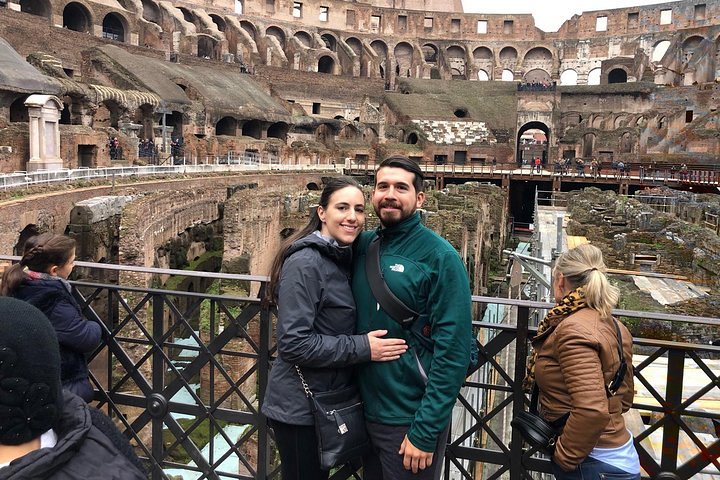
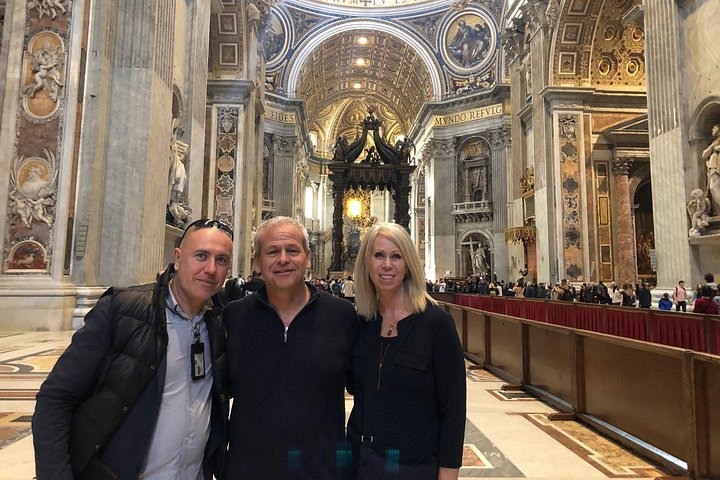

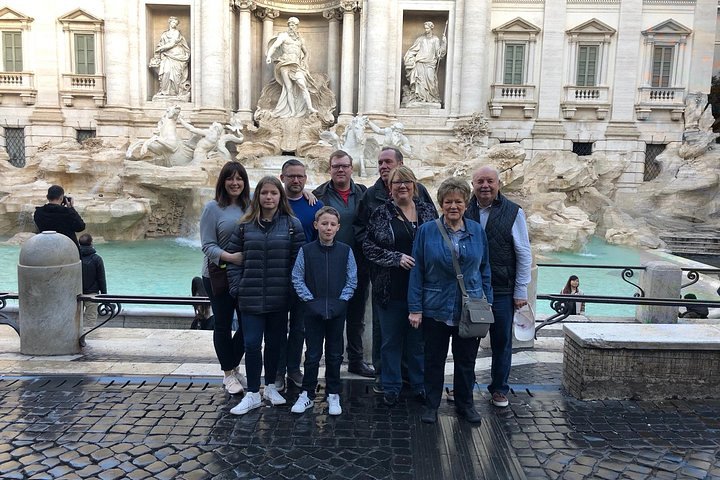
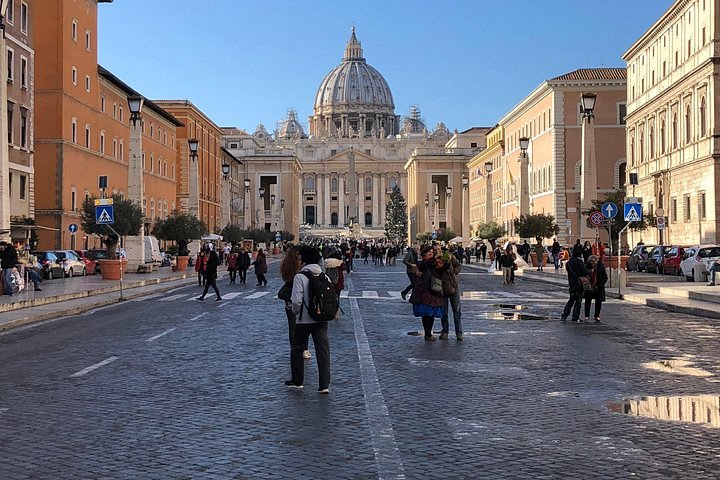
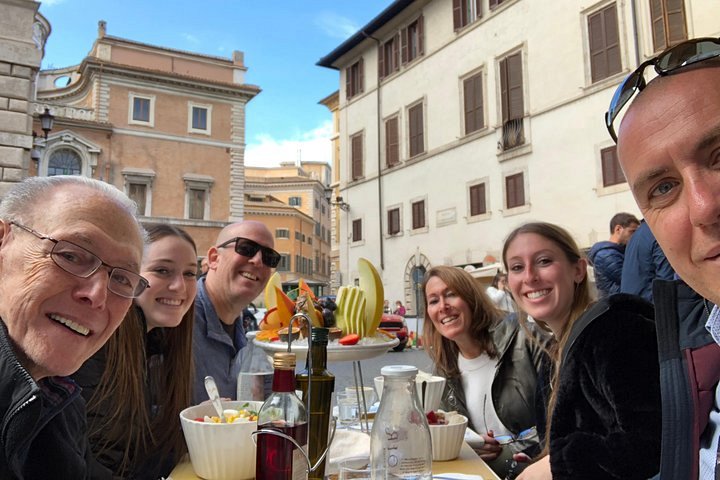
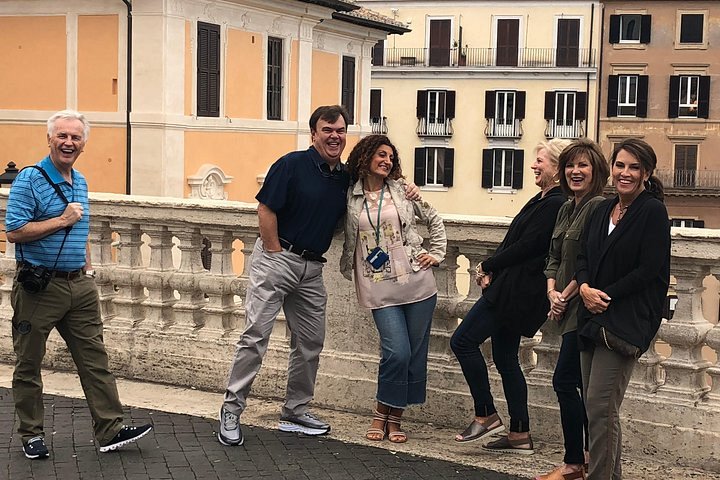
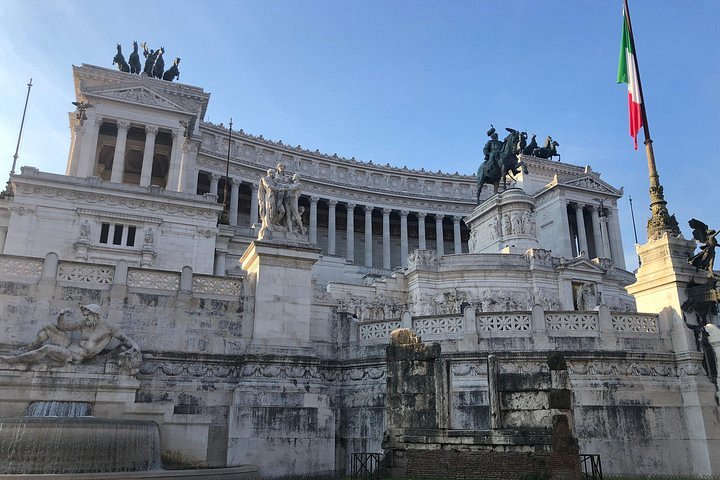
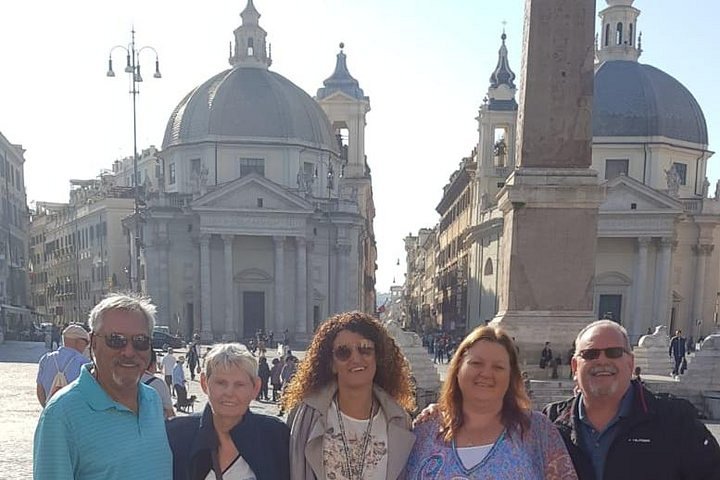
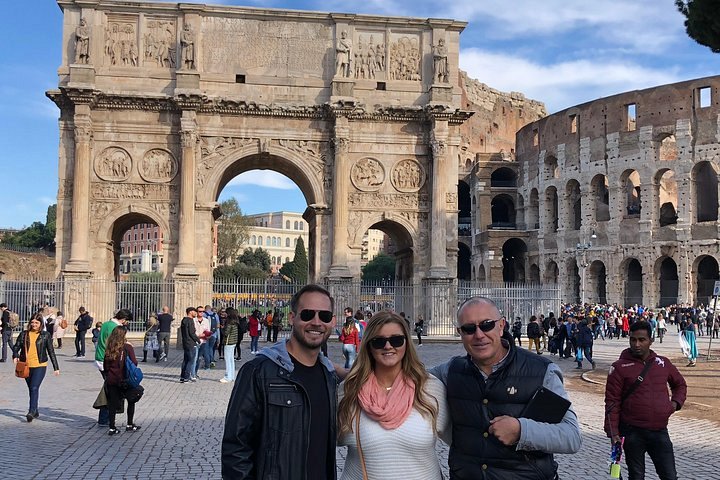
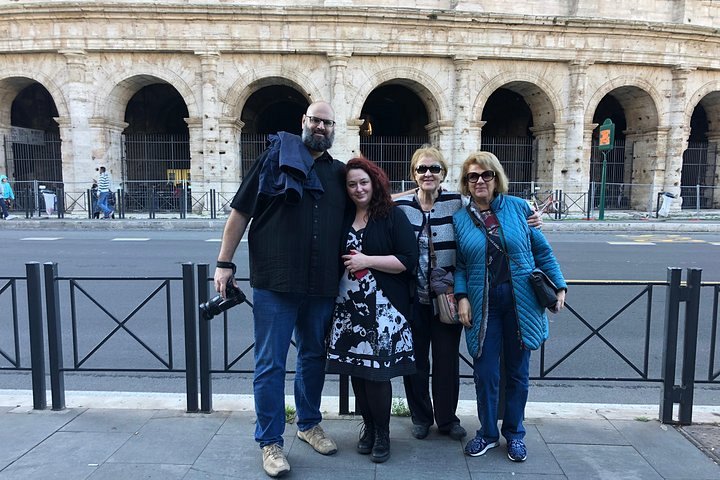
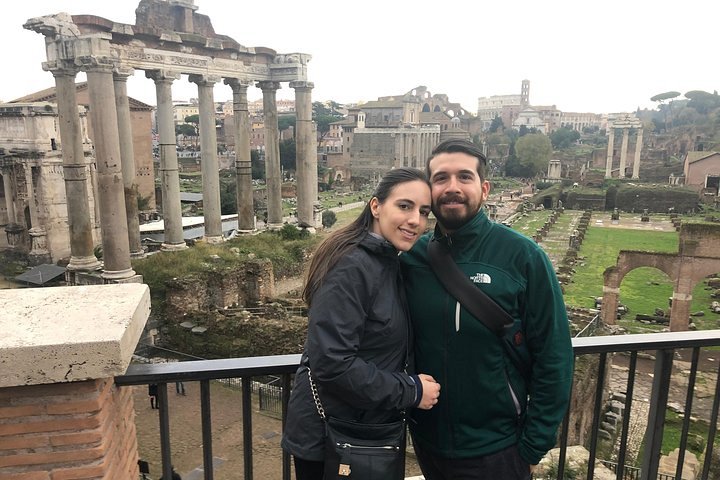
An Exclusive Private & Customizable tour (we do not combine groups) with licensed Tour Guide & Chauffeur, with MERCEDES VAN or GOLF CART. Upon request, our office can purchase your tickets (NOT INCLUDED): - Colosseum (Eur 40 cash per person) - Vatican Museums & Sistine Chapel (Eur 55 cash per person...
Activity Information
-
Tours, Sightseeing & Cruises
Port Pickup
-
Type of Confirmation
Instant Confirmation
-
Duration
from 3 hours to 10 hours
Overview
Exclusive Private VIP Tour of Rome with Licensed Guide
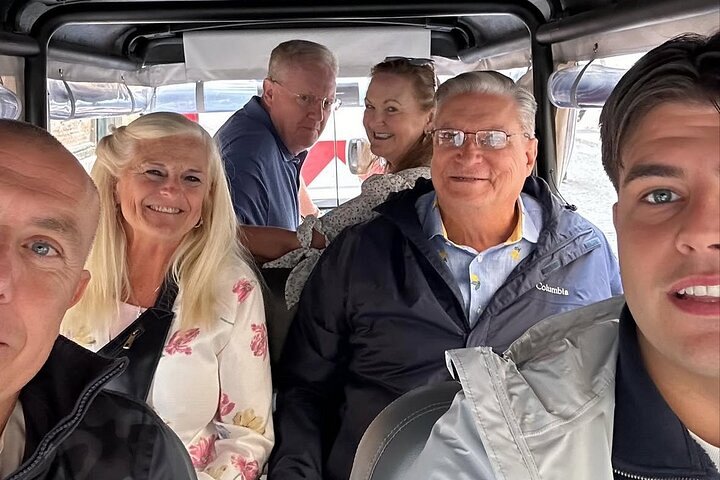
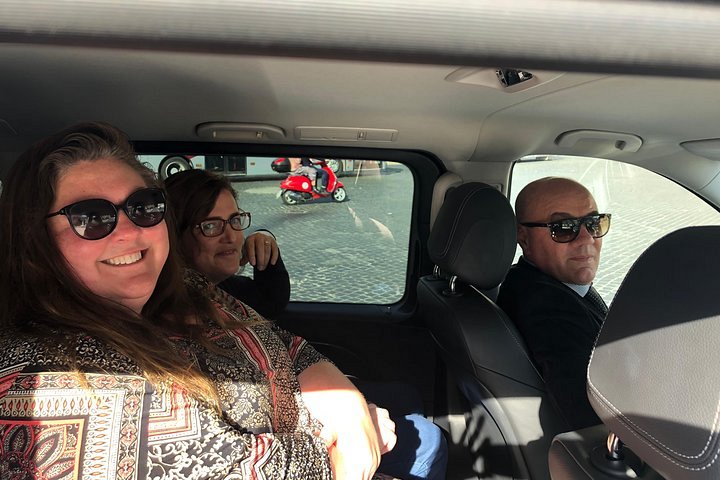
A private and customizable tour is offered with a licensed chauffeur and tour guide, utilizing either a MERCEDES VAN or GOLF CART.
We do not merge groups; it is exclusive.
At each stop, get out of the car together with your guide who escorts you through the attractions so that comprehensive insights into every site are ensured.
The guide meets at any hotel, Airbnb, or other place of residence, train station, airport, and also at the Port of Civitavecchia.
The tour covers the most important artistic and archaeological sites in Rome.
You may customize your tour by contacting our office or inform your private guide about your preferences on the day of the tour.
Only tours of 8 to 10 hours enable access to the Vatican Museums.
An excursion departing from Civitavecchia may last up to 10 hours.
From the port of Civitavecchia, it is not possible to arrange a tour for either 5 or 8 hours.
Upon your request, our office is able to purchase tickets for you at the following prices (NOT INCLUDED): - Vatican Museums & Sistine Chapel (€60 cash per person) - Colosseum (€40 cash per person) - St. Peter's Basilica (€10 cash per person) - Pantheon (€10 cash per person)
Why Travelers Chose This Tour
Meeting and Pickup
What To Expect
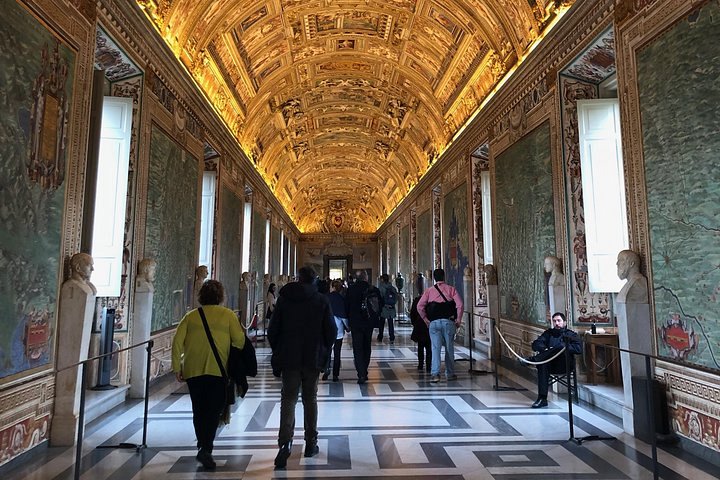
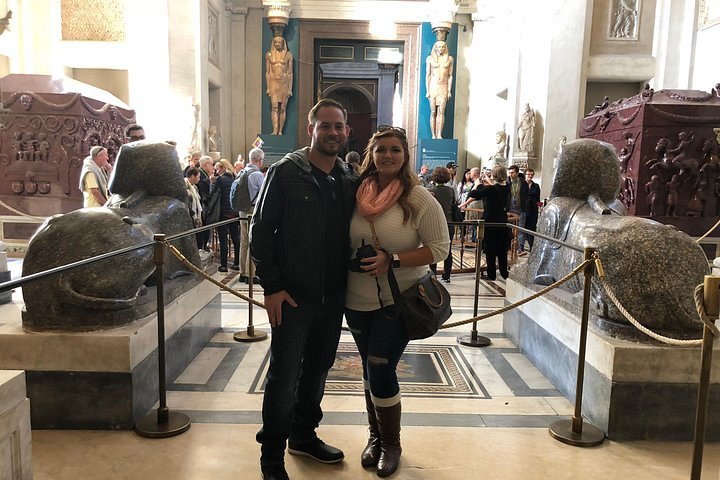
Vatican Museums
EXCLUSIVELY INCLUDED IN THE 8-HOUR TOUR: This is one of the richest and most representative museums in the world, with an enormous collection of statues, paintings, sarcophagi, and mosaics gathered by the Popes since Renaissance times. Whether you are entering the Vatican for the first time or you have visited earlier, here you will be allowed to choose which collection you want to see before being taken through an extremely long corridor that eventually brings you to the entrance of the Sistine Chapel. The Sistine Chapel is one among the many treasures that draw thousands of people to museums annually- here they have The Last Judgement and The Genesis, and now shall be presented by Michelangelo's lovely marble: La Pieta. –You will not believe your eyes at the size and beauty of this Basilica. He’ll stay with you to answer your question at Tour’s end you’ll rejoin your driver and proceed with what has been planned or return to the hotel.
2 hours - Entrance ticket NOT included
Sistine Chapel
SEEN ONLY ON THE 8-HOUR TRIP Built by Pope Sixtus IV who called in several great painters of that age to work there at the end of the 1400s, the Sistine Chapel shows scenes from both the Old and New Testaments. The works of Perugino, Ghirlandaio, and Botticelli lead up to Michelangelo and his most famous painting. Known as the "Cappella Magna", a name that speaks for its sacred and political importance no talking or taking pictures or videos is allowed inside. Your expert guide will give you more than enough time to take in fully all the beautiful details of decoration before moving on through the door that leads into St.Peter's Basilica.
30 minutes - Entrance ticket NOT included
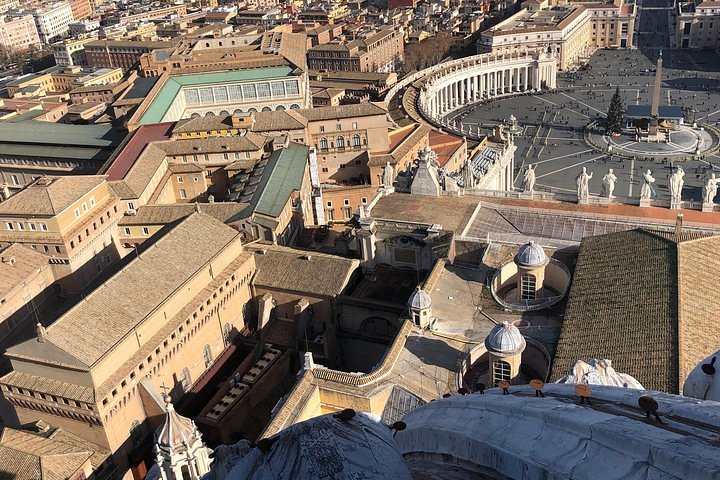
St. Peter's Square
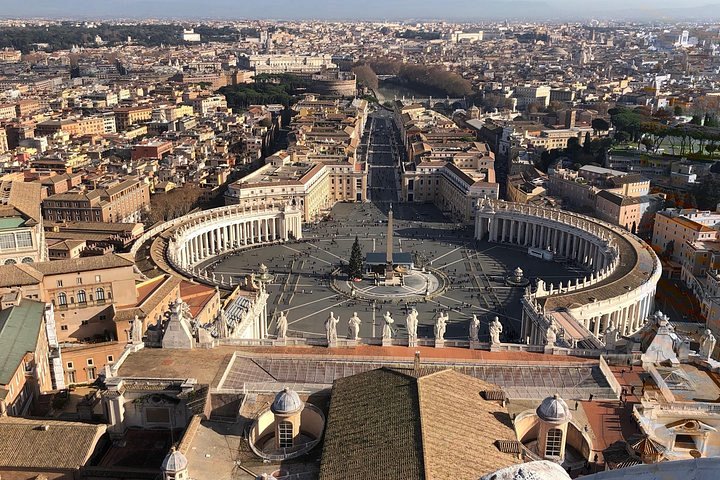
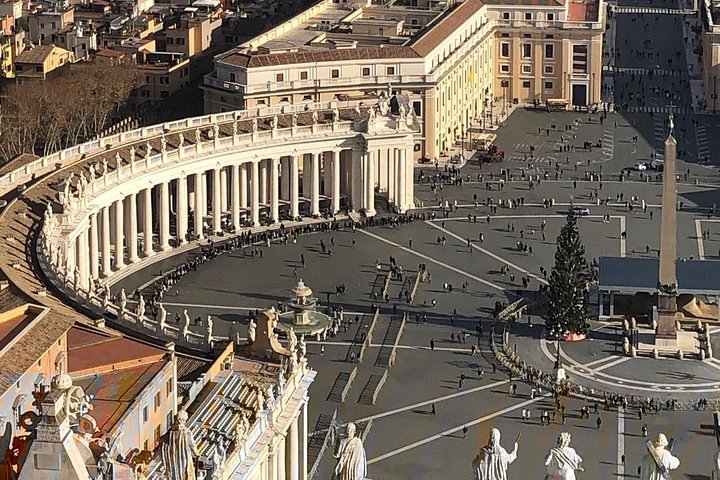
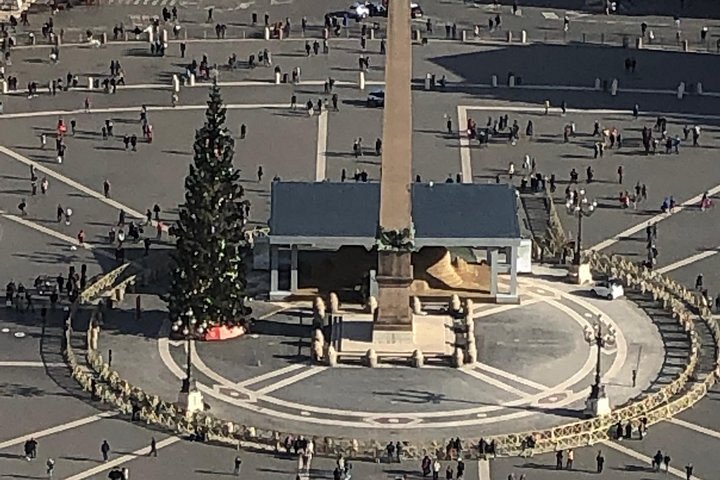
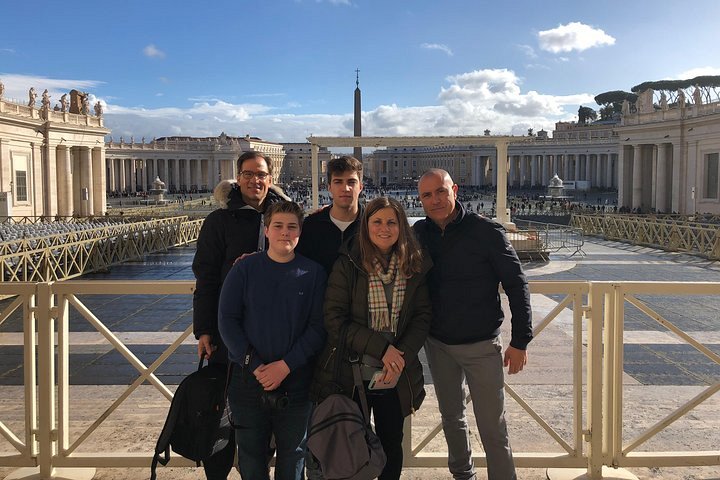
The most famous baroque square in the world is the place from where, during the conclave, the crowd waits to see the first apparition of a new Pope. The embrace that Bernini designed symbolizes perfectly Peter's embracing all those faithful who for centuries traveled there to pay respect at his tomb. In the middle stands one of the oldest Egyptian obelisks which originally stood in the middle of Emperor Nero's circus here in ancient Rome.
10 minutes - Free entrance
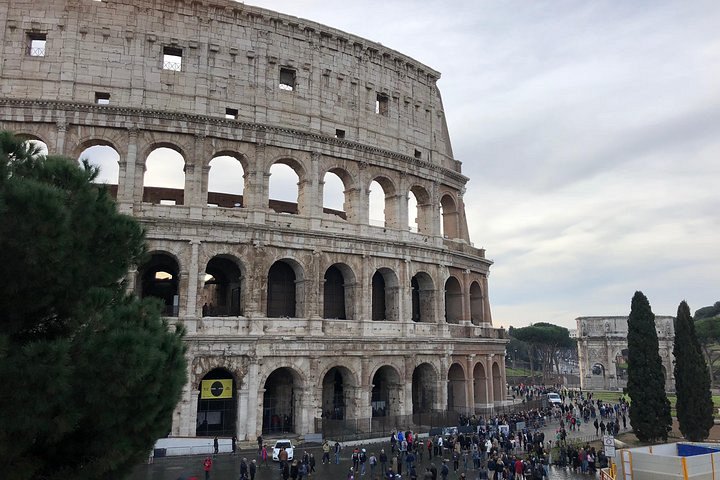
Colosseum
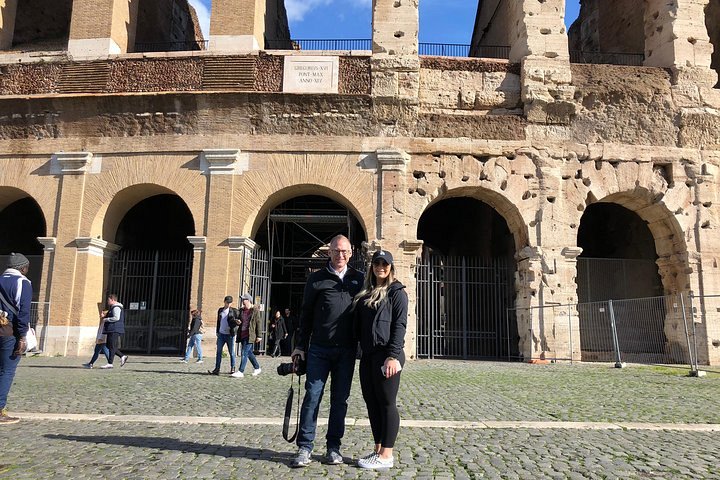
INCLUSION IS ALLOWED ONLY IN THE 5 OR 8-HOUR TOUR The Colosseum happens to be the biggest and most advanced amphitheatre of old times. It is the main symbol of Rome. Built in A.D. 70-72 by Emperor Vespasian, this famous Roman amphitheatre was used for shows which included fights between gladiators as well as hunts.
1 hour - Entrance ticket NOT included
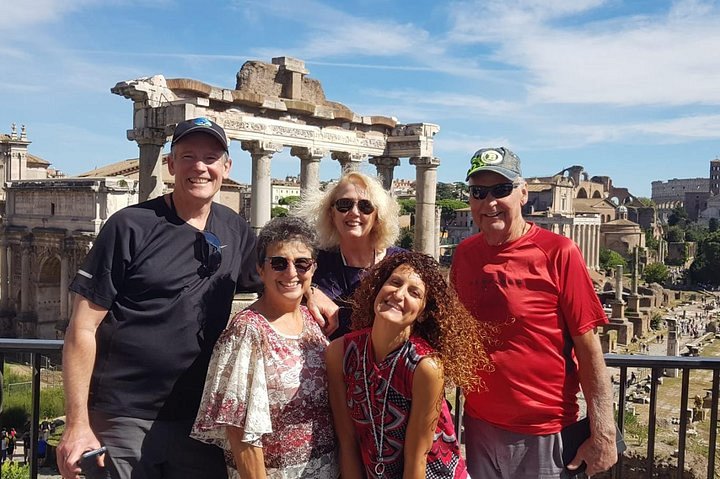
Roman Forum (Foro Romano)
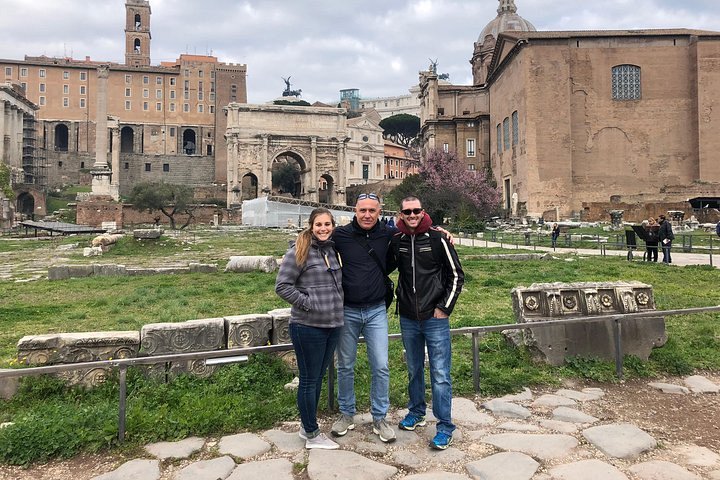
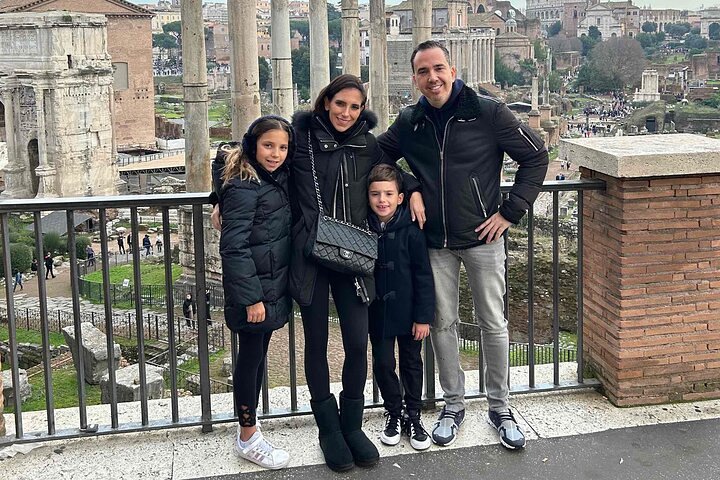
The world's most famous monumental area. It was the political center of ancient Rome and a symbol of the power of the Eternal City. Founded here in the 8th century BC, it marked the beginning of the Roman conquest of Europe.
10 minutes - Entrance ticket NOT included
Palatine Hill (Palatino) (Pass By)
The Palatine Hill is considered the middle hill of the Seven Hills of Rome and it is one of the most ancient parts of the city; indeed, it has acquired fame as "the first nucleus of the Roman Empire." At present, this site basically serves as a large open-air museum while inside the Palatine Museum are many artifacts discovered during excavations at this very site and also from other ancient sites in Italy. Augustus initiated the building of imperial palaces here. Before the time of emperors, the hill mostly housed the homes of the wealthy. At first, the hill showed two peaks separated by a dip, with the higher top known as Palatium and the other called Germalus. By Forma Urbis, its edge covered 63 acres, while Regionary Catalogues from the 4th century list an area of 131 acres (53 hectares).
Free entrance
Pantheon
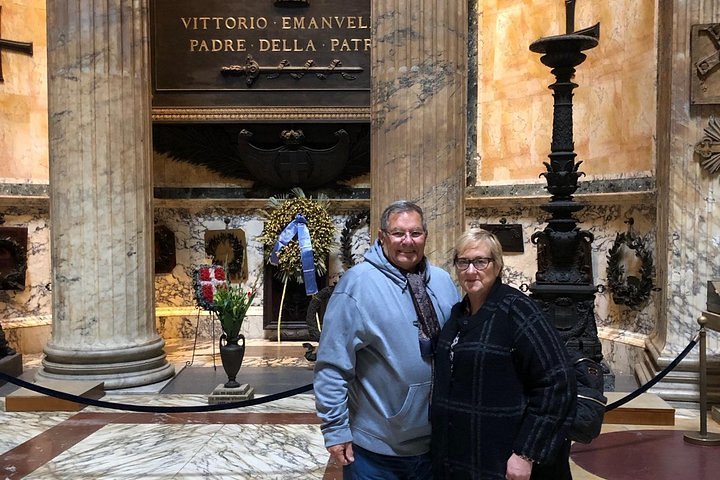
The Pantheon was first built in 25 BC by Marco Agrippa, an important Roman general also known as the son-in-law of Emperor Augustus. About 150 years later, at exactly the same spot, Emperor Hadrian reestablished it in a form that overwhelms all visitors today. Amazingly enough, after close to two thousand years, this ancient building with its gigantic open dome still stands and is available for visits. Since the beginning of the seventh century, what used to be known as the Pantheon has been known as a church under the name Basilica of Santa Maria ad Martyres. This amazing monument cannot fail to move even those who have already walked inthe footsteps of centuries in the Eternal City.
15 minutes - Free entrance
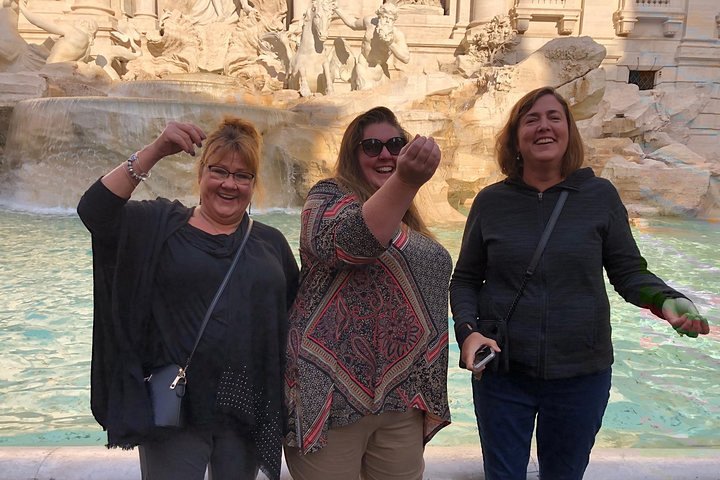
Trevi Fountain
It is a masterpiece, considered the most famous and beautiful fountain in the world͏. At the end of one of the three roads, it stands right on top of where Acqua Virgo—one among Rome's most important aqueducts that brings potable water to the Eternal City—terminates. This majestic fountain also serves as an excellent representation of unmatchable beauty in Rome during its Papal times. It's right here that you'll throw your coins into this legendary fountain so long as you wish to come back to Rome. Make a visit.
15 minutes - Free entrance
Circus Maximus (Circo Massimo)
The Circus Maximus is an ancient Roman amphitheater in Rome, Italy. It was used for chariot races and large-scale events. Located in the valley between the Aventine and Palatine Hills, it was the oldest and largest amphitheater in Ancient Rome and later the Roman Empire.
5 minutes - Free entrance
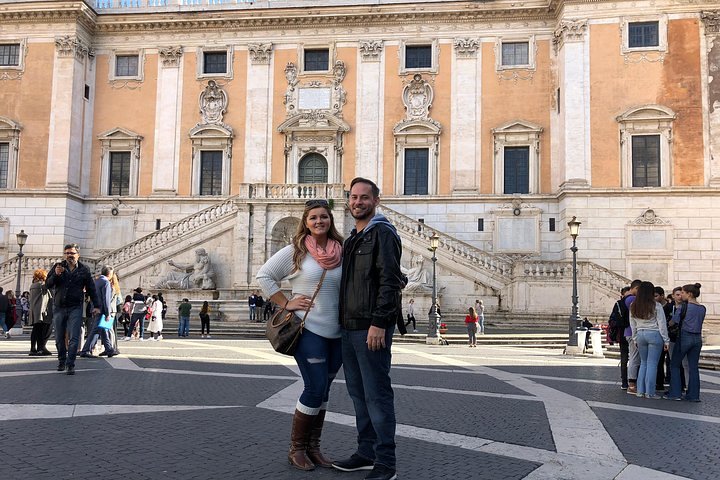
Piazza del Campidoglio
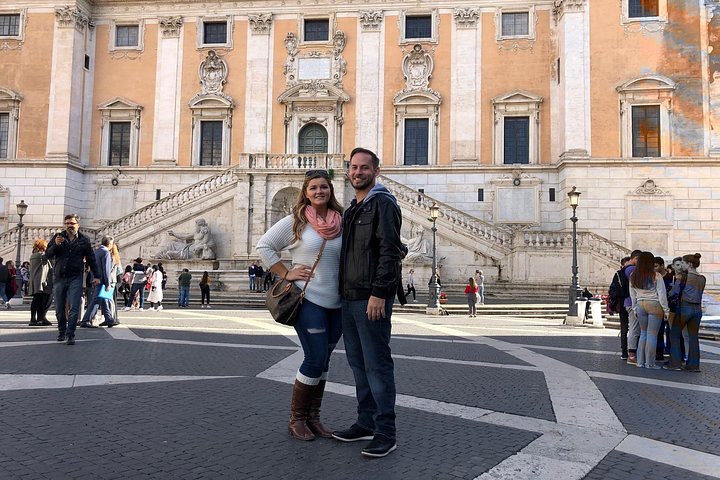
The Capitoline Hill is but the smallest of those seven great hills of Ancient Rome. From here, it ruled not only politically but religiously as well over all matters of Rome and became such a powerful symbol to remind everybody that this city was the conqueror of the world. Atop the Capitol, the marvels of ancient Rome as perceived through the remains of the Roman Forum-the biggest monumental site in existence-will be shared. A breathtaking view presents a perfect moment to snap striking photos to bring back memories of Eternal City. There is a large area with many ruins-temples, basilicas, and triumphal arches-that were symbols of Rome's might during its first thirteen centuries while it ruled nearly all of Europe.
15 minutes - Free entrance
Piazza Venezia / Ancient City
The Piazza Venezia marks the intersection of Rome, Italy; this is where many streets that make up it run through. Among them are Via dei Fori Imperiale and Via del Corso. The square derives its name from Palazzo Venezia which had been constructed by Venetian Cardinal Pietro Barbo adjacent to a church dedicated to Saint Mark- also the patron saint of Venice.
10 minutes - Free entrance
Rome Via del Corso (Pass By)
The 'Via del Corso' is one of the major streets inside the old city center of Rome. Unlike the spaghetti mess of little lanes and cute piazzas that surround it, this street is dead straight. Once counted as a wide road during ancient times, today the Corso happens to be only about 10 meters across, fitting in just two lanes for traffic plus two skinny sidewalks. The northern part of the street has a pedestrian area. In total it's about 1.5 kilometers long.
Free entrance
Spanish Steps (Piazza di Spagna)
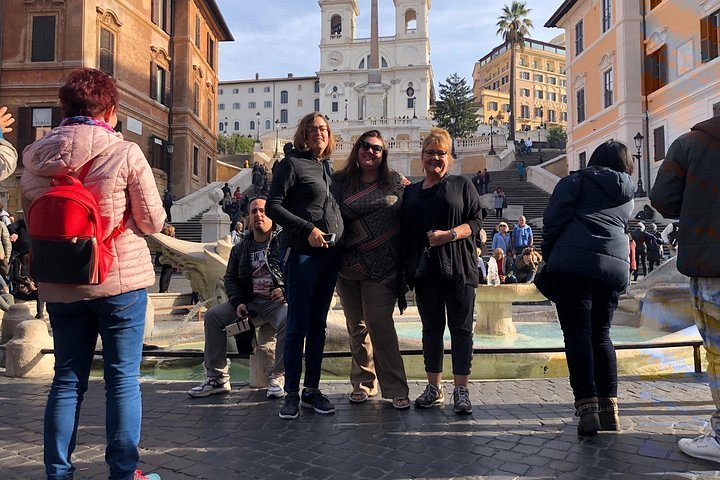
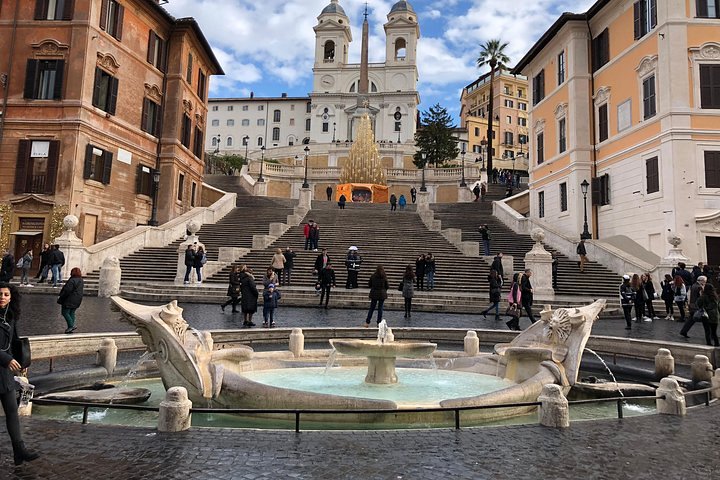
The Spanish Steps is a long flight of stairs that rise up the side of a fairly steep hill to connect Piazza di Spagna at its base with Piazza Trinità dei Monti, which lies above and one finds the dominating Church of Trinità dei Monti standing at her peak. The steps have 135 steps in their monumental staircase built from 1723 to 1725 using a fund of 20,000 scudi left by French diplomat Étienne Gueffier to connect a pathway between Bourbon Kings of France through their patronage over the church at Trinità dei Monti and Spanish Embassy sitting atop the steps related also to Holy See down in Palazzo Monaldeschi.
15 minutes - Free entrance
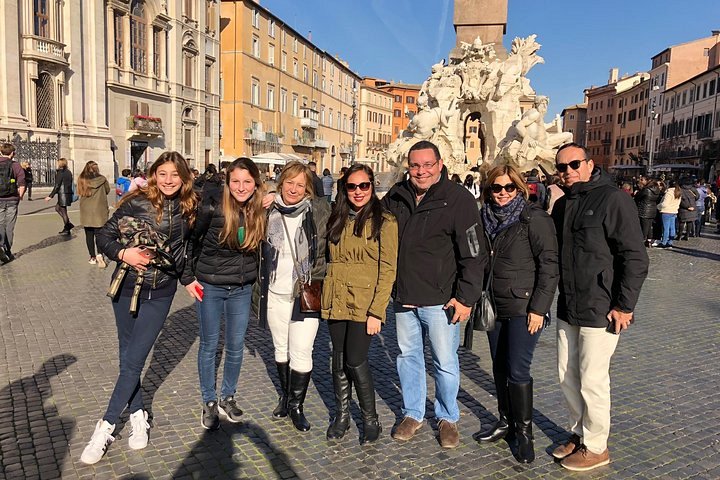
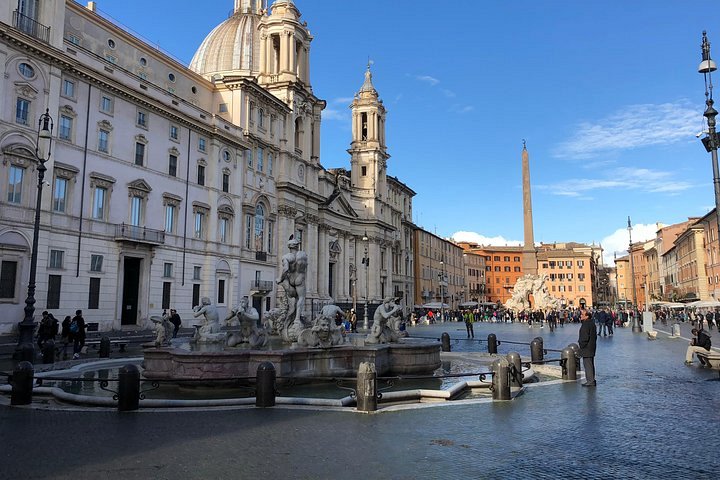
Piazza Navona
It is considered one of the most beautiful squares in all of Europe, and this marvelous space comes to symbolize the power of Pope Innocent X and his family, the Pamphili. Built over the remains of the stadium of Domitian—late first-century Roman emperor—this modern square in the Baroque style has at its center a work by Bernini: the Fountain of the Four Rivers.
10 minutes - Free entrance
Campo de' Fiori
Campo de' Fiori is a rectangular square south of Piazza Navona in Rome. Its name literally means "Flower Field." The name dates back to the Middle Ages, when the area was a meadow. In ancient Rome, the area was an undeveloped stretch of land between the Theater of Pompeii and the flood-prone Tiber River.
15 minutes - Free entrance
Itinerary Map
Cancellation Policy
To receive a full refund, cancel at least 24 hours before your scheduled departure.